December Bootcamp 2026 Registration Is Now Open
Join other young robotics enthusiasts for a fun-filled bootcamp where kids can build, create, experiment, and discover the exciting world of robotics. Sign Up Now >
Join other young robotics enthusiasts for a fun-filled bootcamp where kids can build, create, experiment, and discover the exciting world of robotics. Sign Up Now >

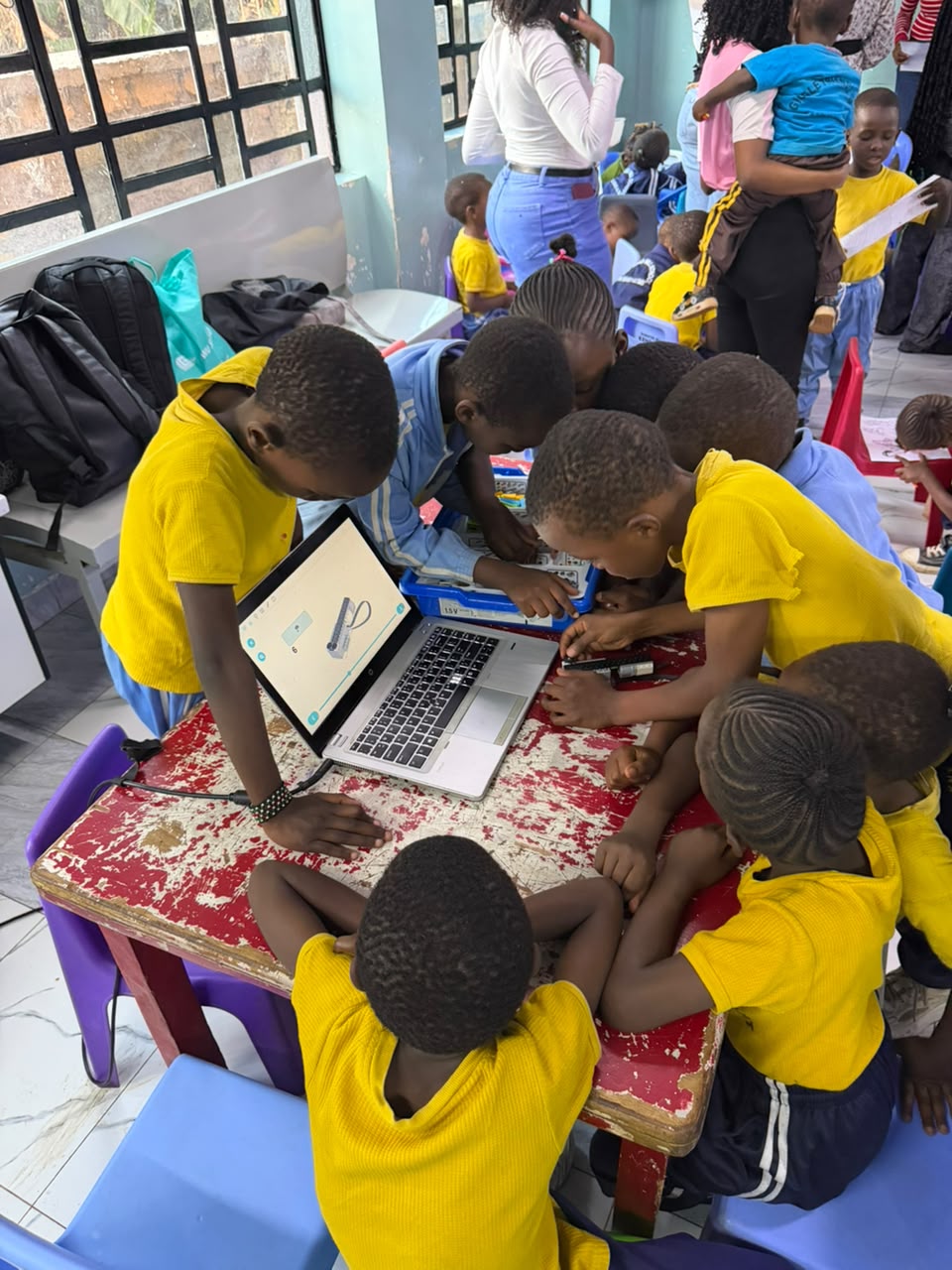
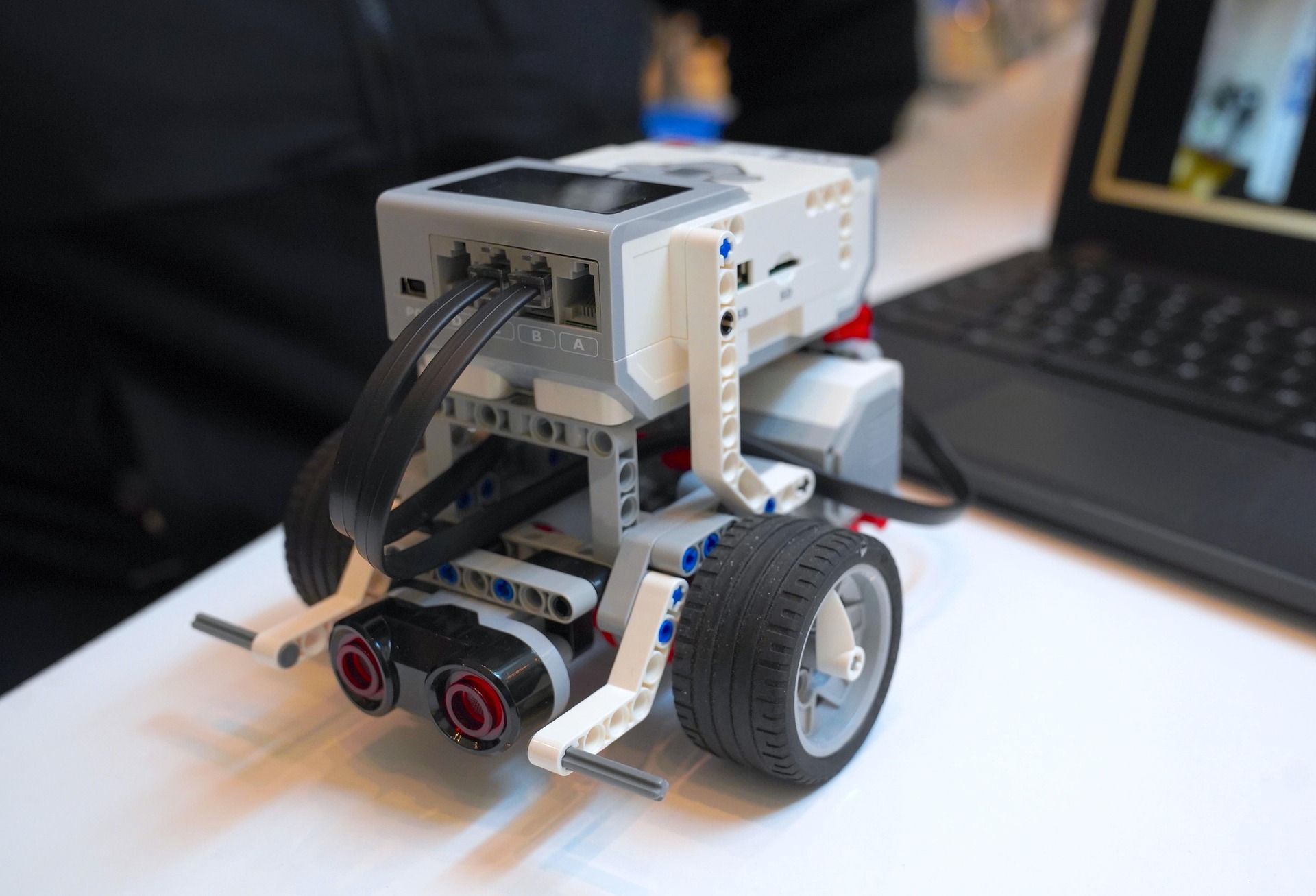
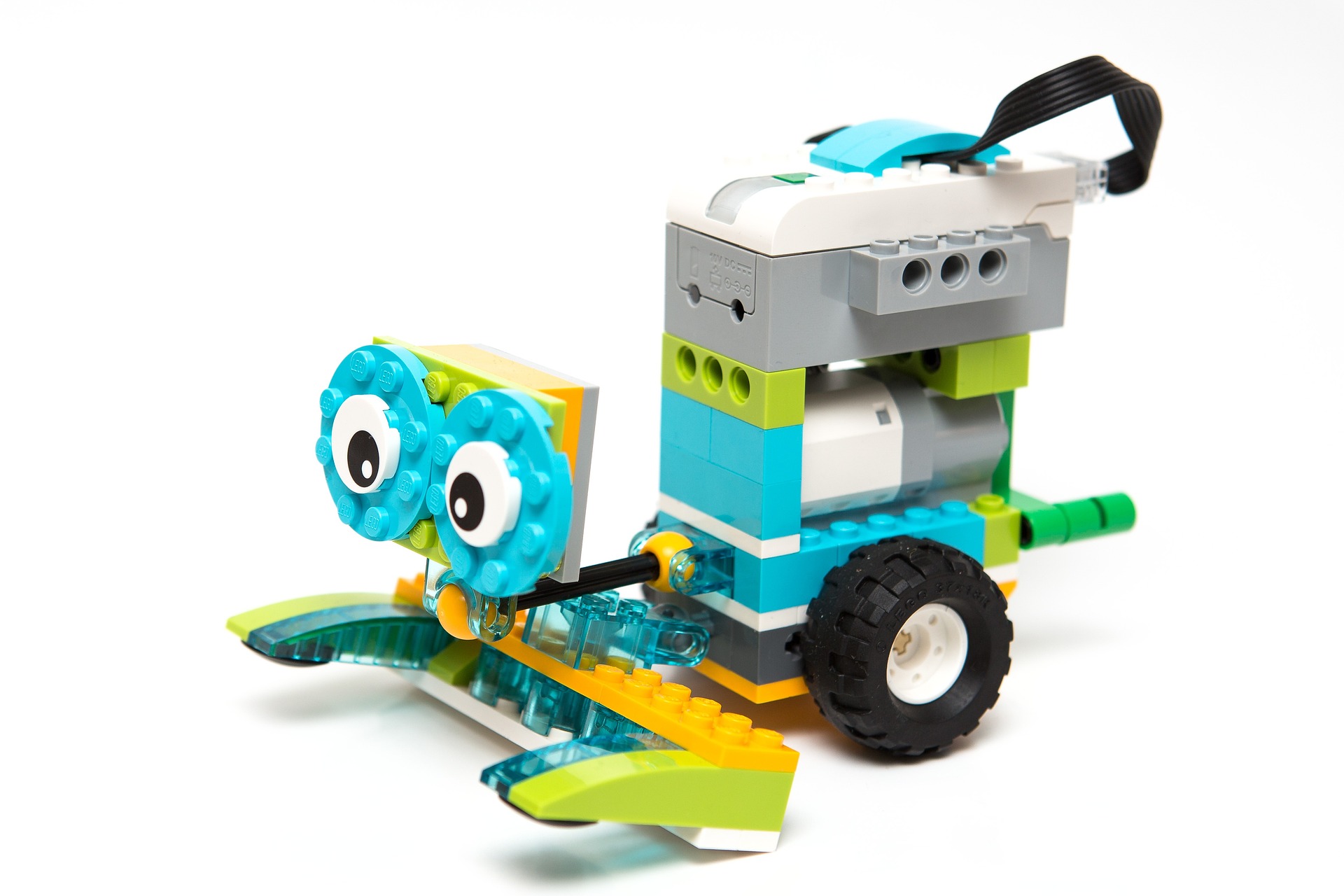
Build and program robots using LEGO® SPIKE™, micro:bit, and Arduino while developing practical engineering and problem-solving skills.
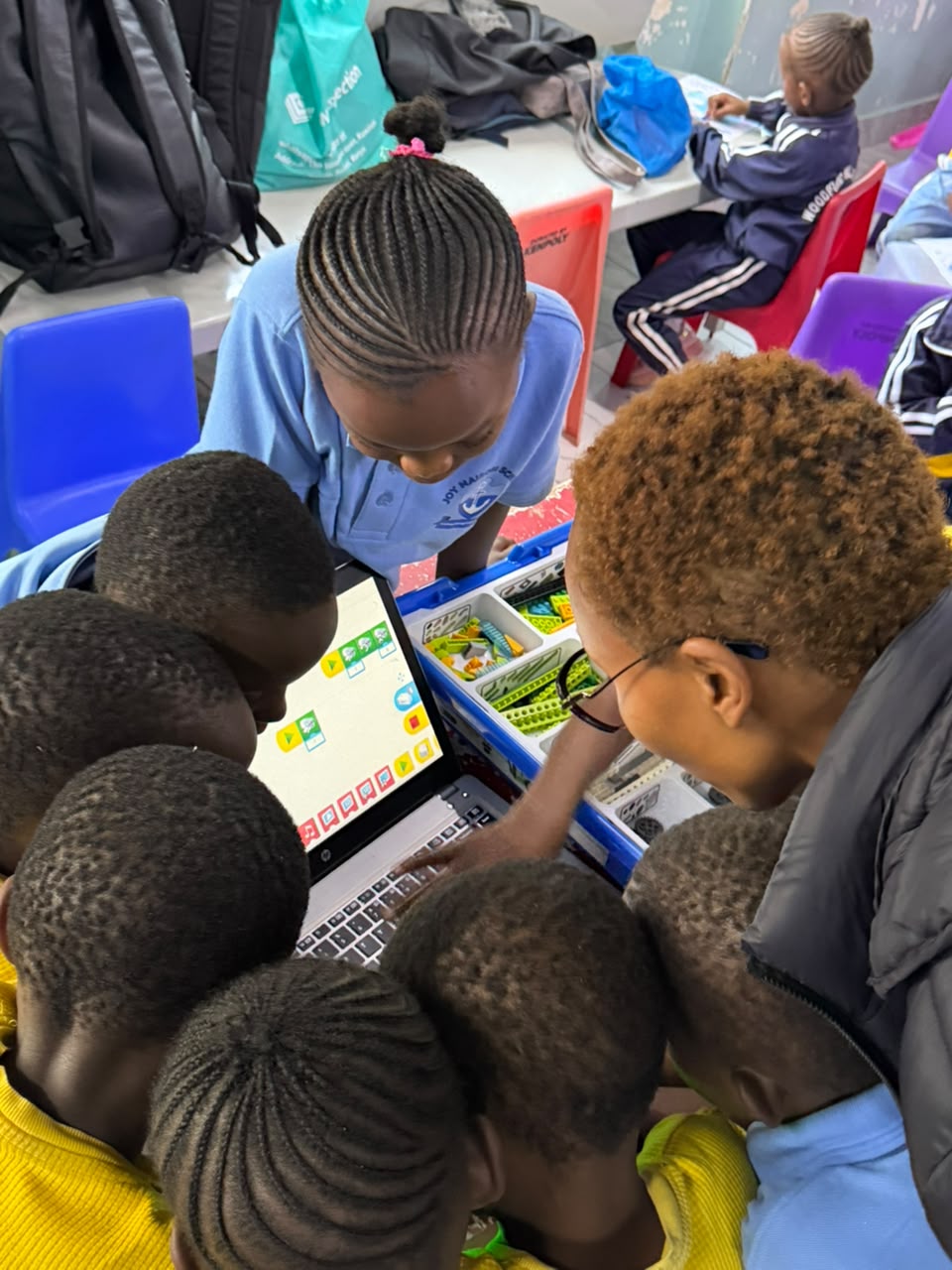
Learn coding from beginner-friendly platforms like Scratch and MakeCode to advanced programming with Python.
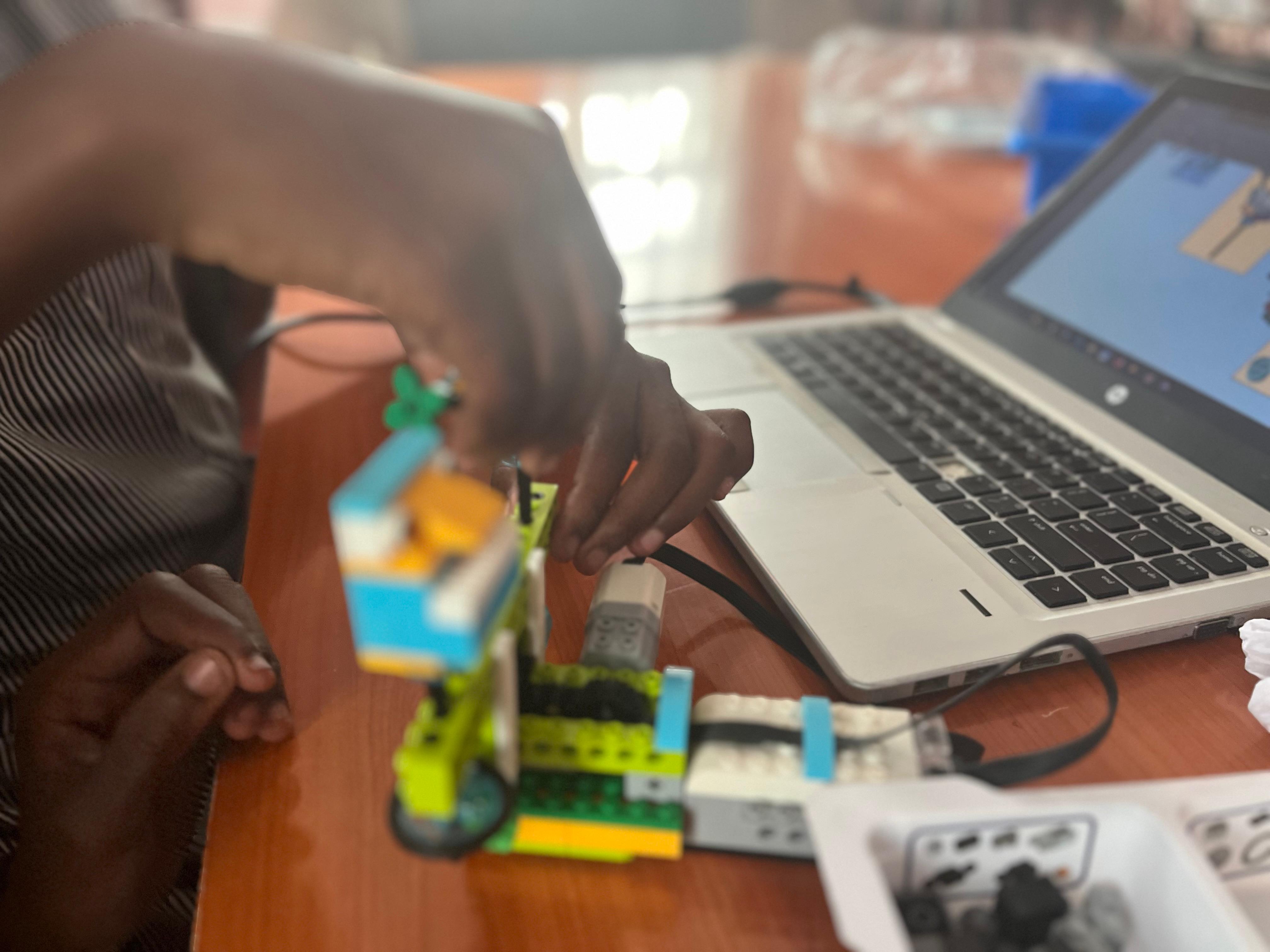
Design functional prototypes using Tinkercad, AutoCAD, and Fusion 360, then turn digital designs into real objects with 3D printing.
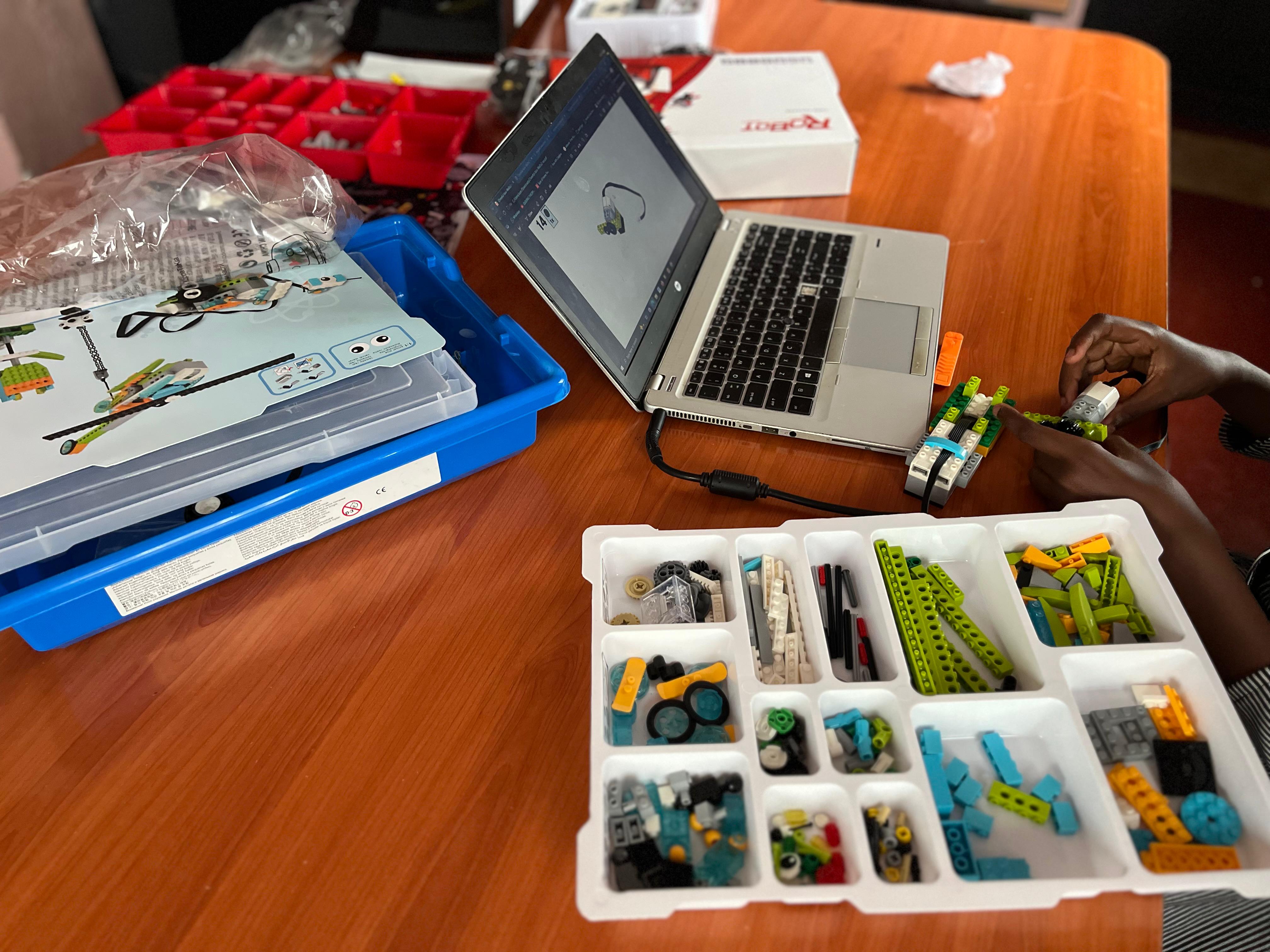
Prepare for national and international robotics challenges, including FIRST LEGO League and World Robot Olympiad, through hands-on training and team-based problem solving.
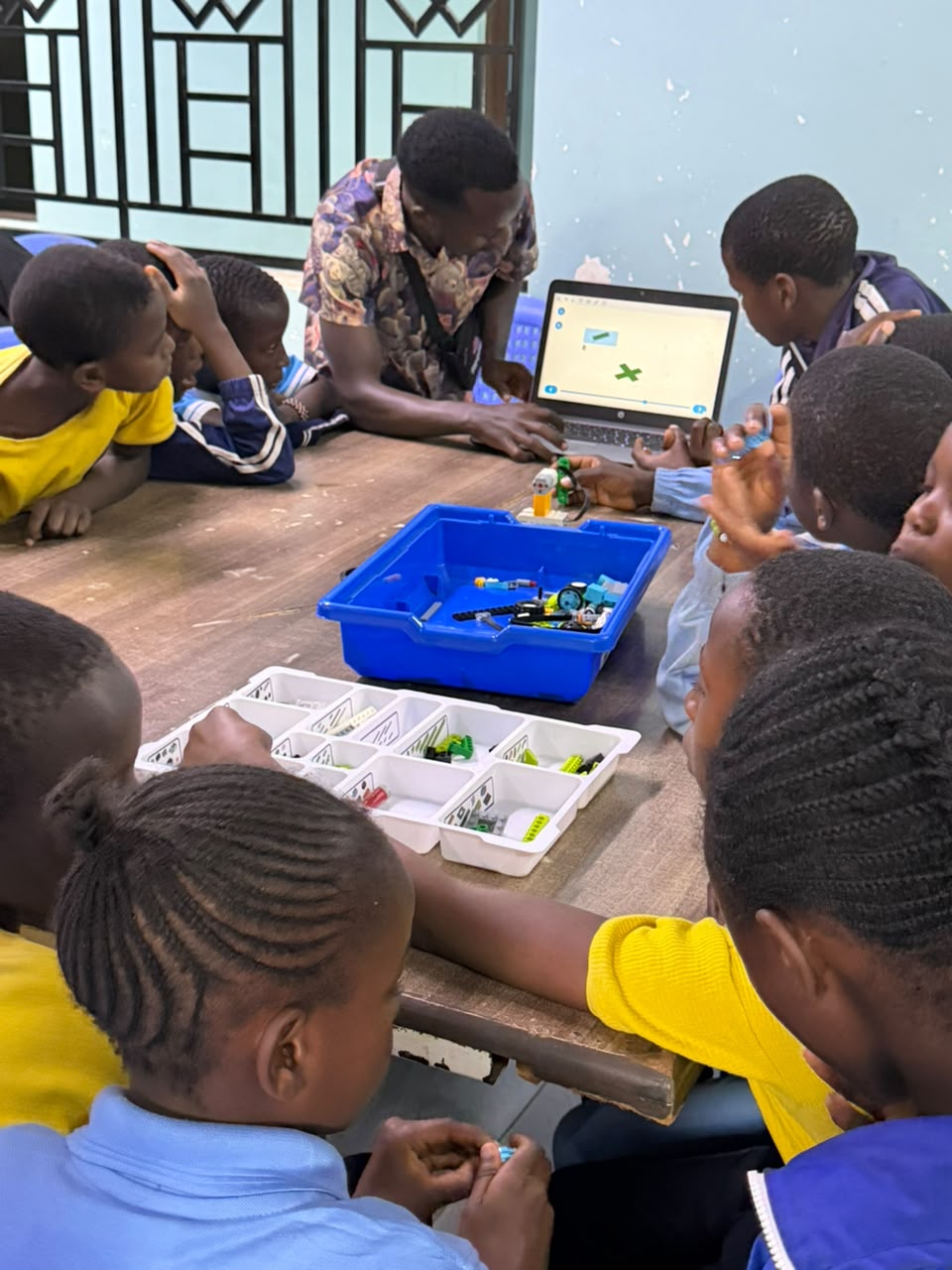
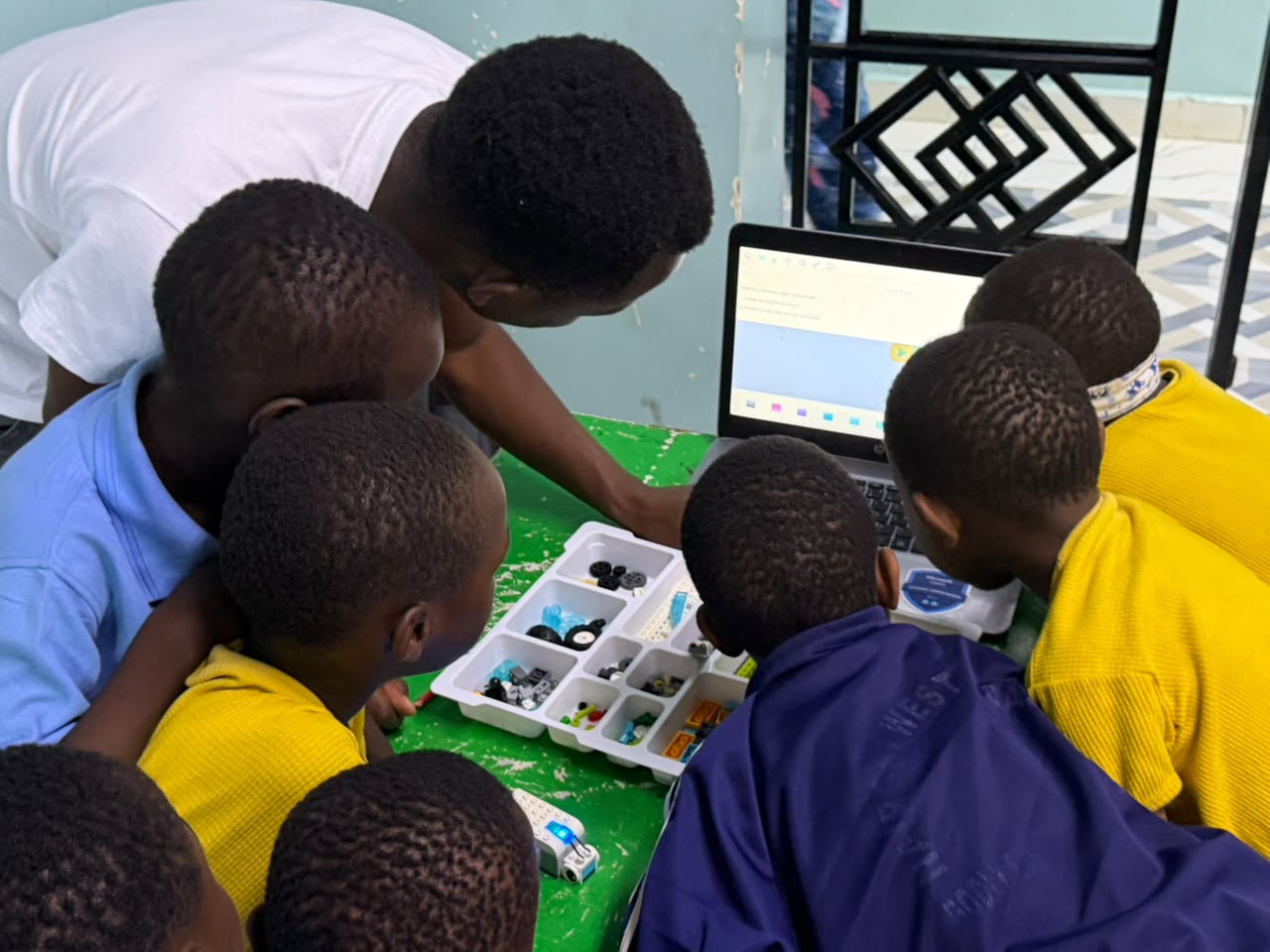
Give students hands-on experience in robotics, coding and 3D design through engaging programs delivered right at your school.
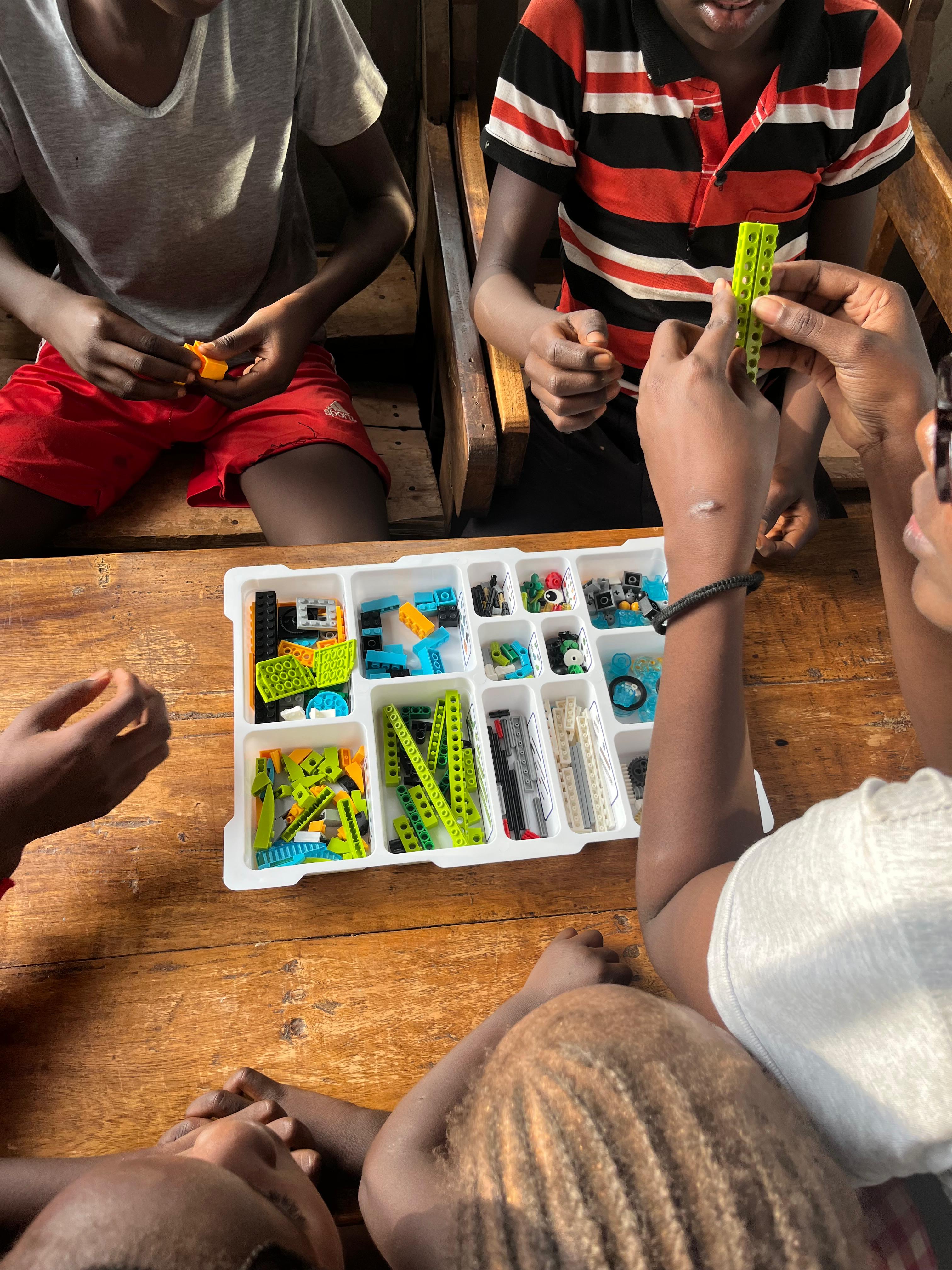
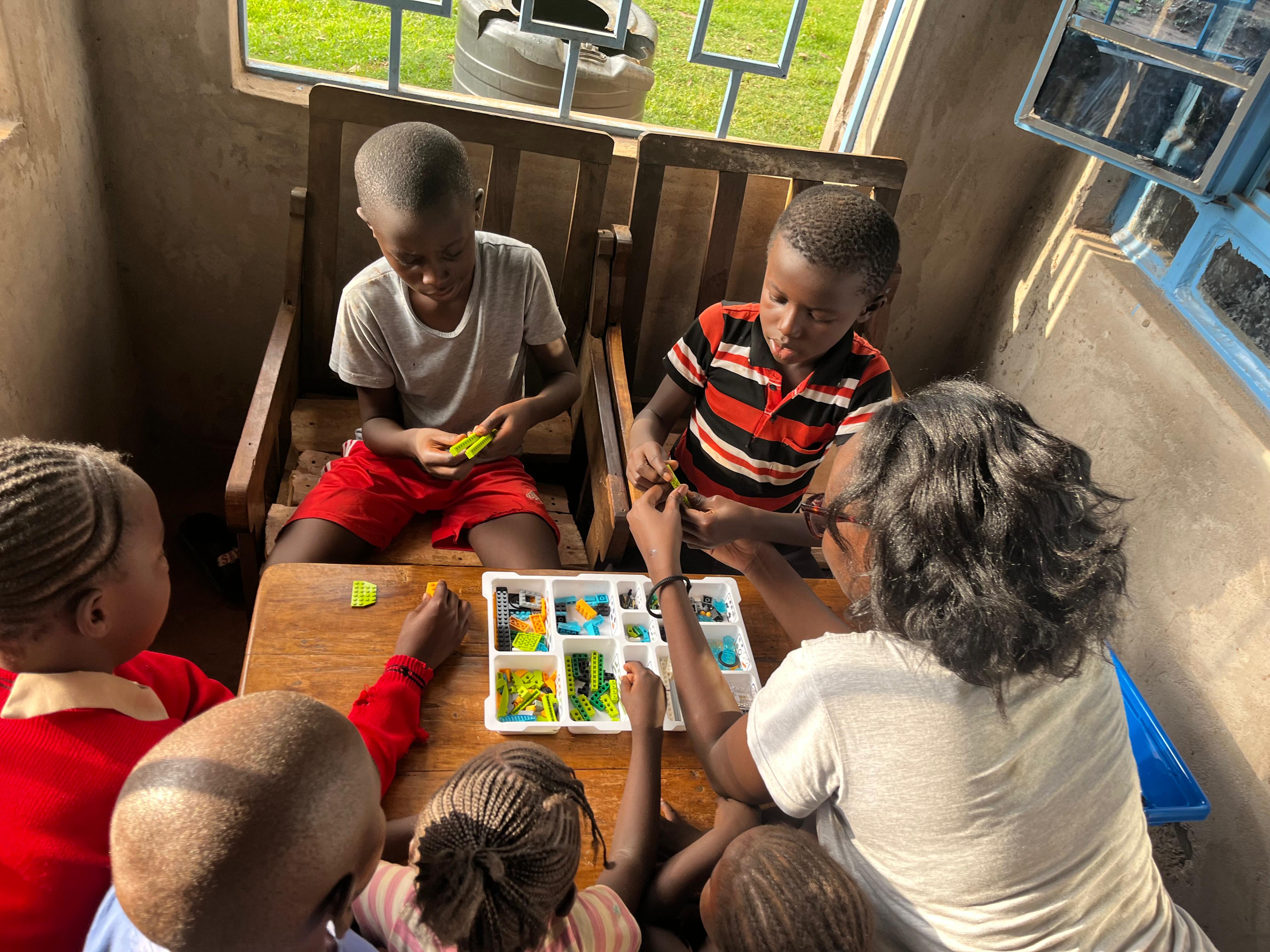
Bring practical STEM learning to young people in communities, creating opportunities to explore technology, build skills and discover new possibilities.
.jpeg)
Partner with us to deliver impactful STEM programs that reach underserved learners, engage your employees and help build Kenya’s future workforce.
Keep young minds learning and creating during school breaks with exciting robotics, coding and engineering camps designed to inspire curiosity and innovation.